Ozitoys
The focus is on foundational understanding and technological literacy, providing students with an accessible entry point into electronics and STEM learning through guided, tactile experimentation.
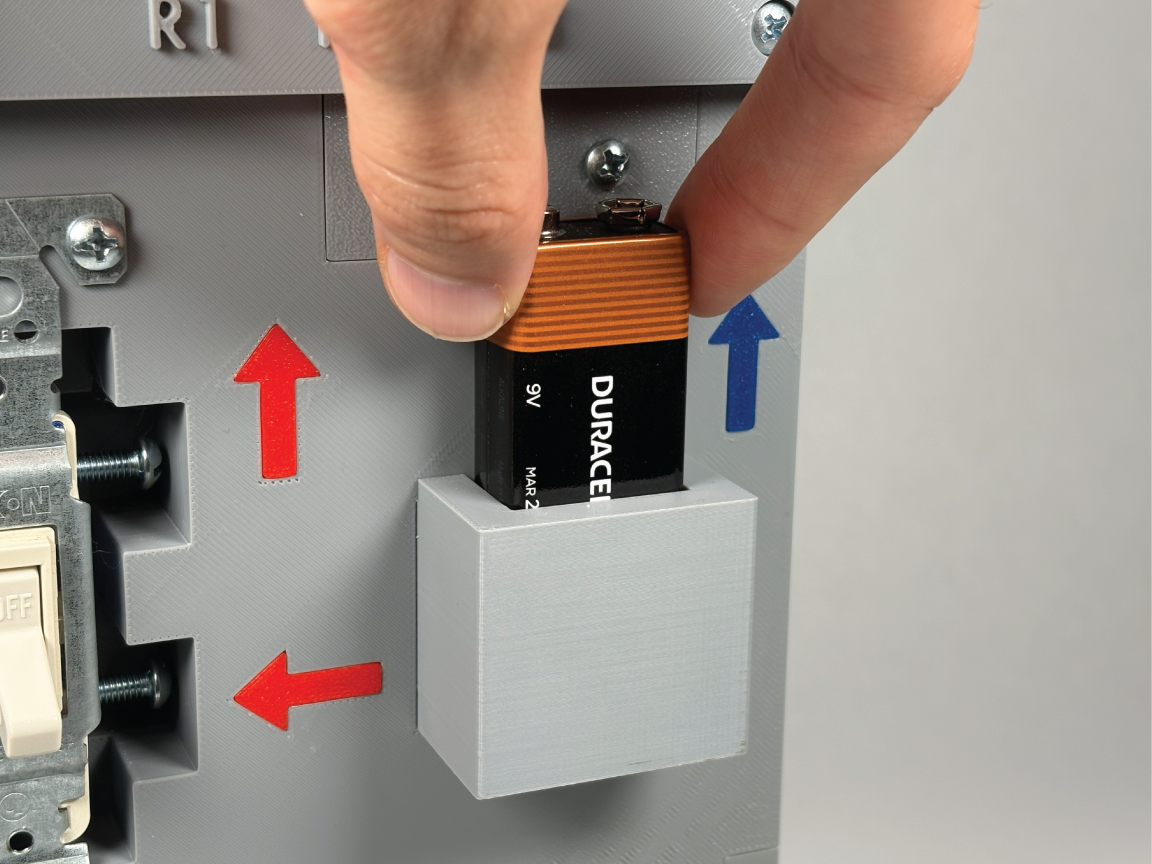
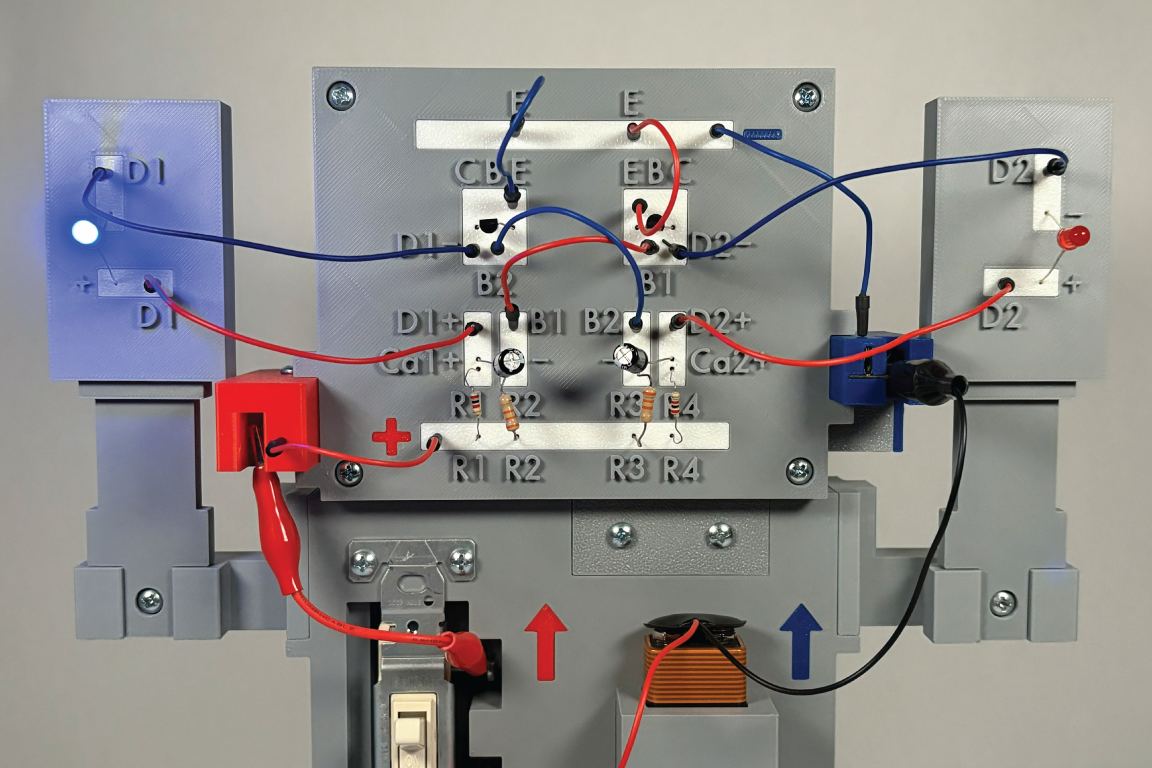

Ozitoys
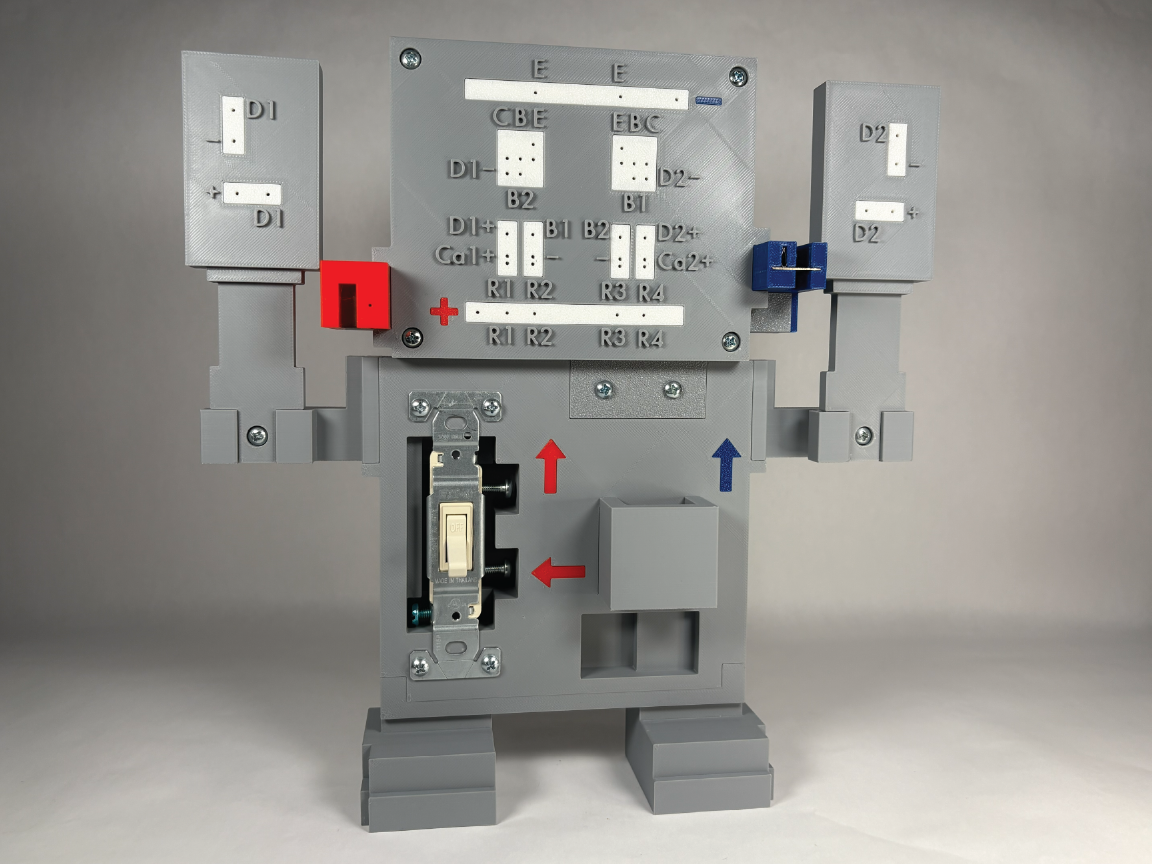
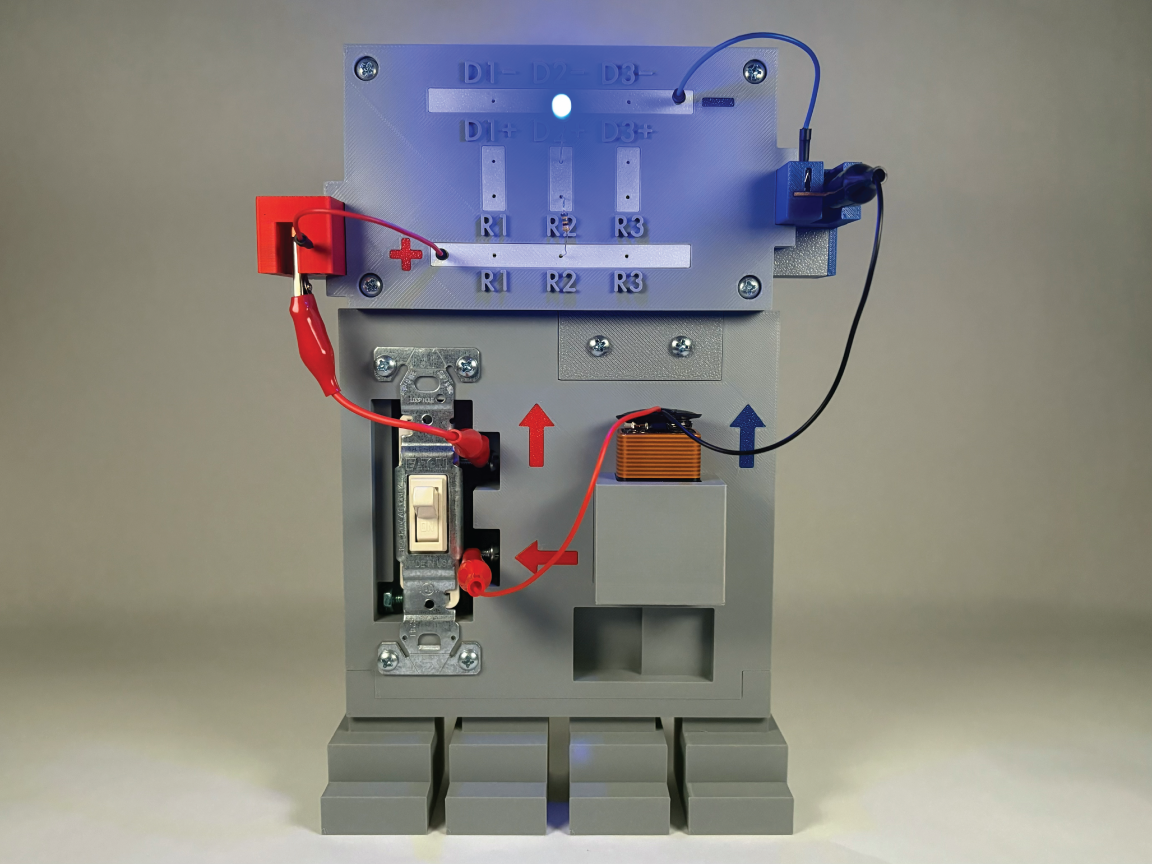
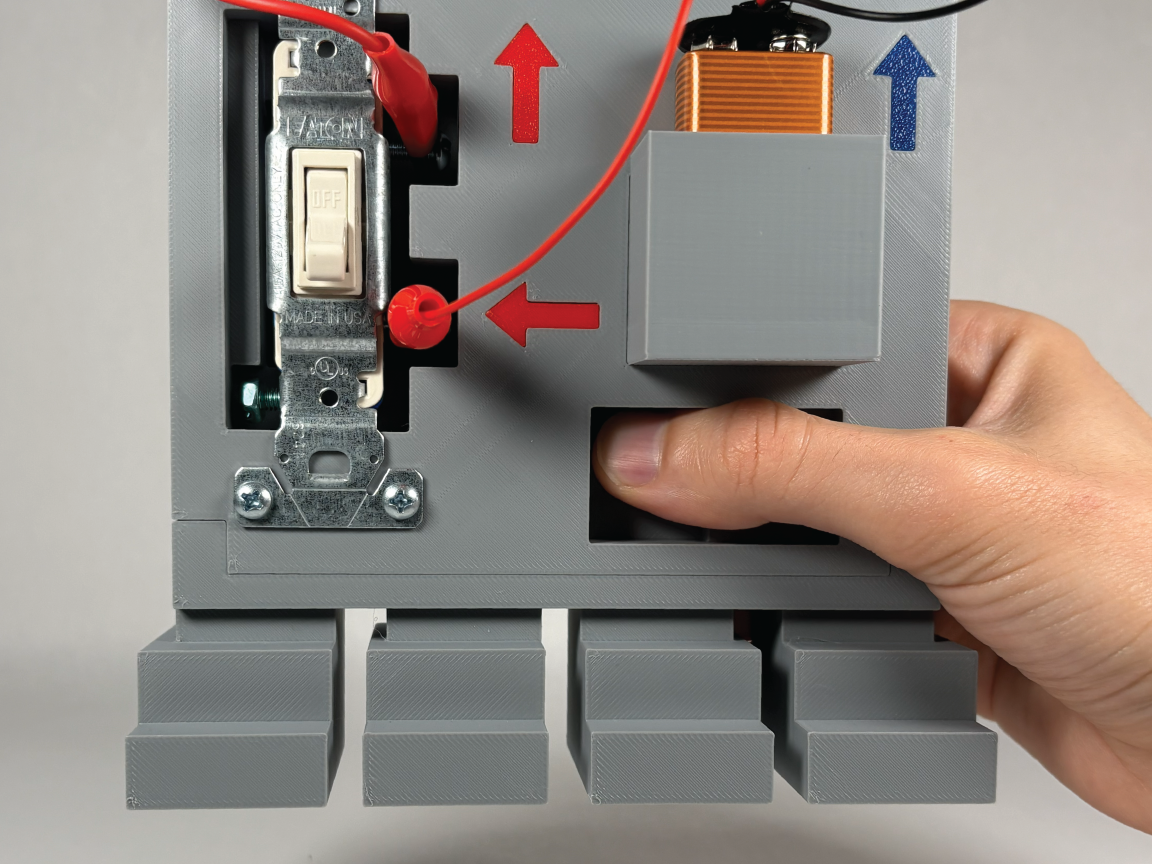
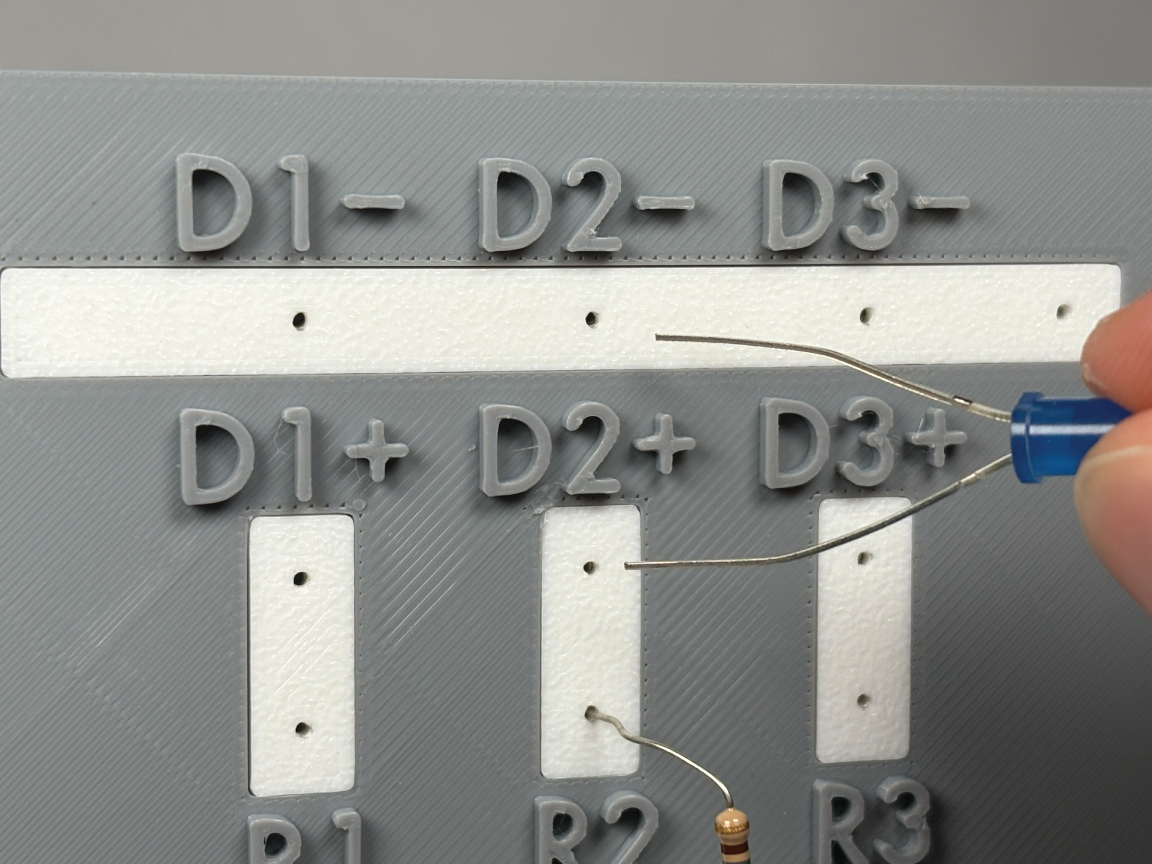
Ozitoys is an educational electronics toy company founded by Osiel Gonzalez. The goal of this project is to use toys as tools to teach electronics in an accessible way by building discrete circuits with your own hands.
More Maker Info
http://www.ozitoys.com/More Event Info
More Project Info
https://ozitoys.com
What inspired you to make this project?
During my time in architecture school I began to make toys with salvaged materials like motors, switches, and lights from old appliances I was taking apart. Through this tinkering I became increasingly interested in how electronic circuits work. I wanted to understand circuits in a fundamental way.
What I soon realized was that there was no tool that showed you how to easily build and understand circuits with your own hands. There’s a breadboard (a useful tool for making and prototyping circuits). But with all of its holes, rows, and columns with multiple positive and negative signs, it can be confusing and daunting for beginners and even seasoned engineers.
This is what led me to become interested in creating tools that showed you how to make fundamental circuits in the most bare-bones and fundamental sense -- no ICs, solely using discrete components.
What are some of the challenges you have encountered and how did you address them?
The main challenge for me has been not having a traditional engineering or STEM background. I studied film, practiced as an artist and then studied architecture. It was during my late 20's that I became interested in the intersection of art and technology, and therefore it was around this time that I began to really tinker and study the theory and math behind a lot of these concepts. Not having a formal background essentially meant that I had a lot of catching up to do.