The Art of Turning Ideas Into Reality by PLACITECH
Schedule

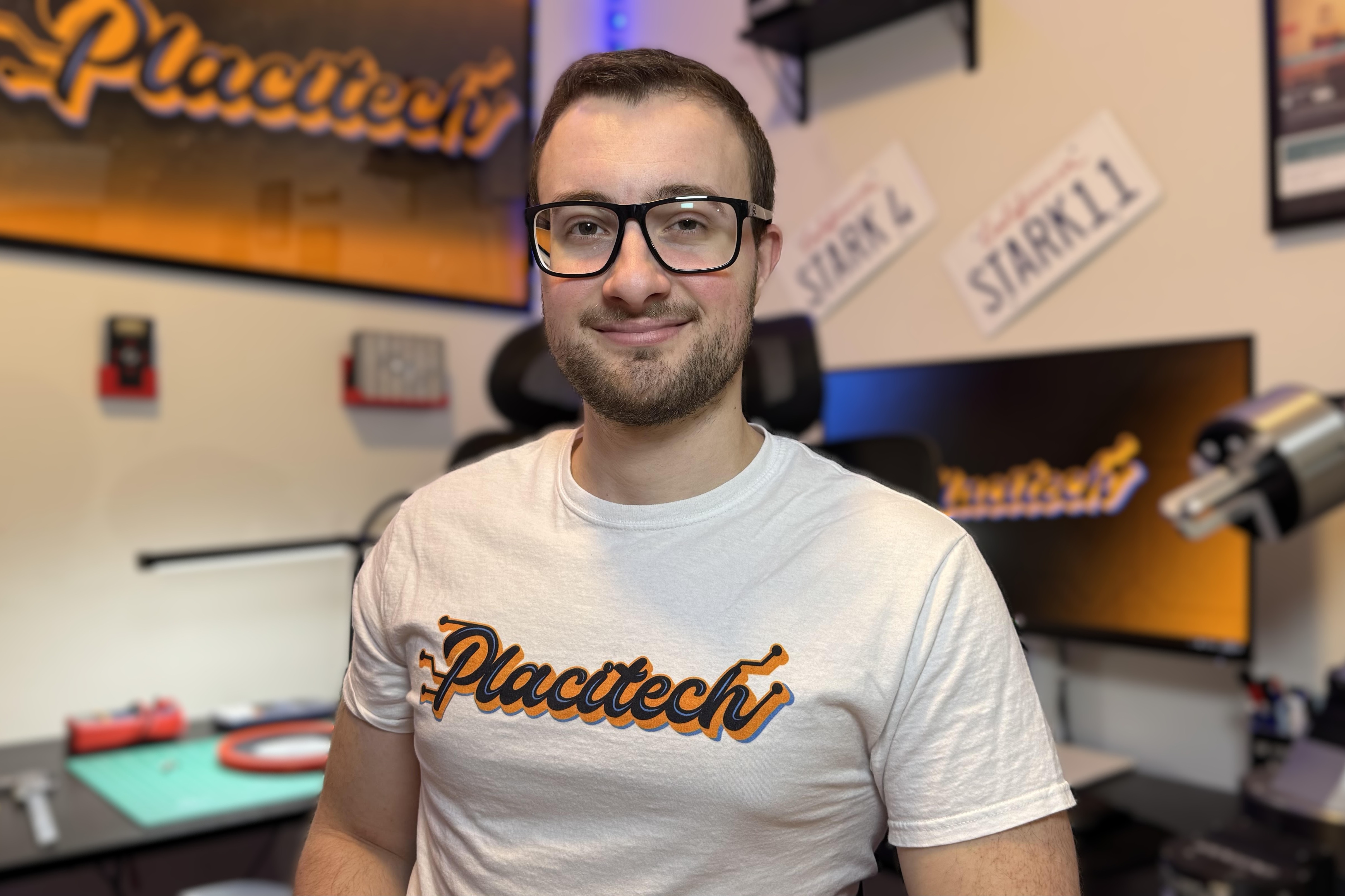

Alessandro Placitelli
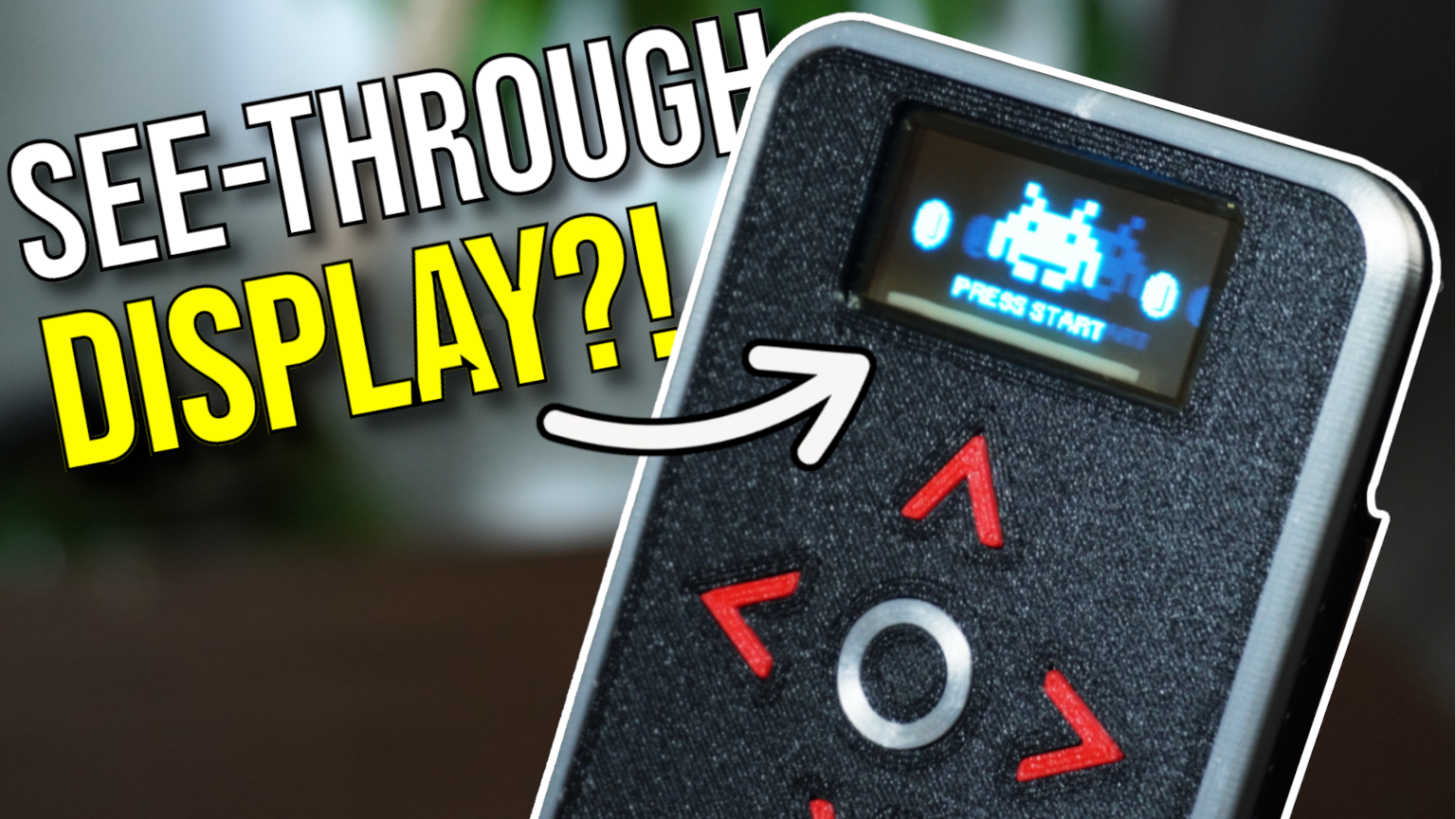
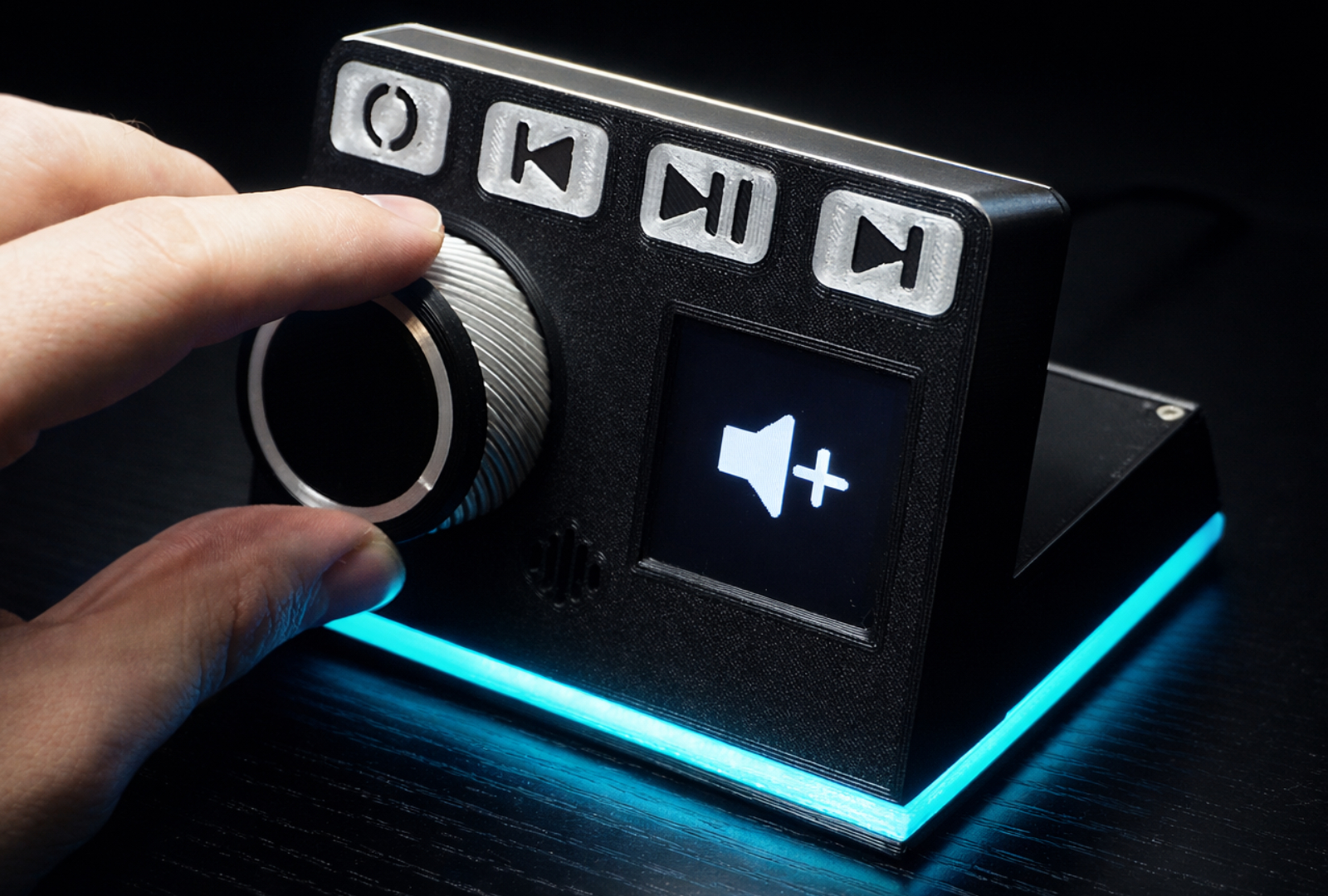
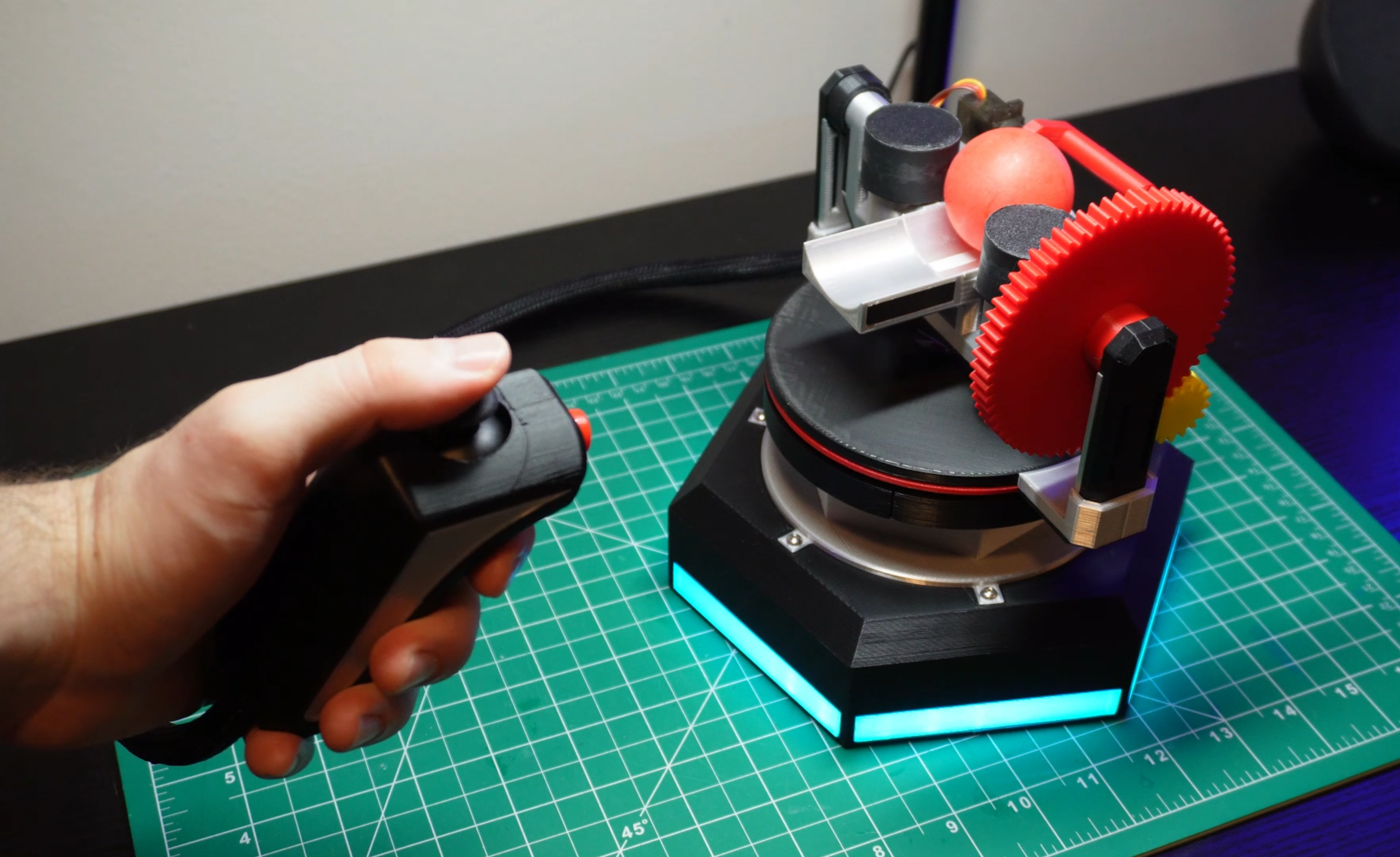
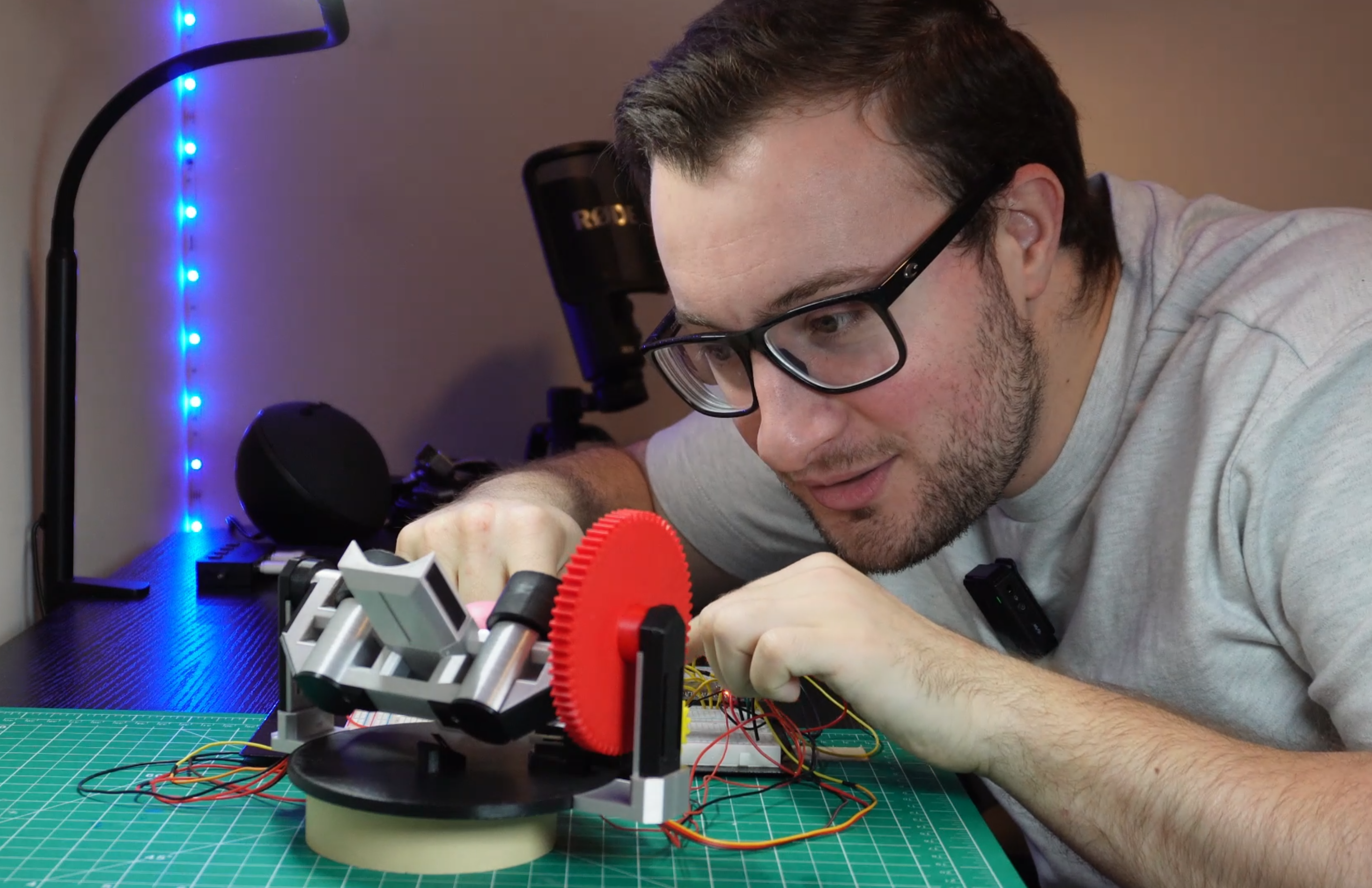
Alessandro Placitelli is an electrical engineer and creator of PLACITECH, a platform where he designs and builds original microcontroller based projects that combine electronics, mechanical systems, and custom 3D printed enclosures. His work focuses on turning ambitious ideas into tangible, working devices while documenting the full engineering process from concept to final build. Through his content, which reaches over 1 million people across YouTube, Instagram, and TikTok, he inspires makers of all levels to move beyond theory and start building real hardware.
More Maker Info
More Event Info
More Project Info
What inspired you to make this project?
I have been passionate about building things since I was a kid. I was always curious about how devices worked and how I could create my own versions of them. When I finally had the opportunity to start experimenting with electronics and microcontrollers, I took full advantage of it. What began as curiosity quickly turned into a deep interest in designing and building original projects from scratch. This talk is inspired by that journey and the desire to show others that if you have the curiosity to start, you can learn the rest along the way.
What are some of the challenges you have encountered and how did you address them?
One of the biggest challenges has been navigating the gap between an idea and a working prototype. Early on, I underestimated how many small problems appear once you start building, from components not behaving as expected to design flaws that only show up during testing. I learned to break projects into smaller systems, test each part individually, and embrace iteration rather than aiming for perfection on the first try. Over time, debugging and troubleshooting stopped feeling like failure and became part of the creative process.